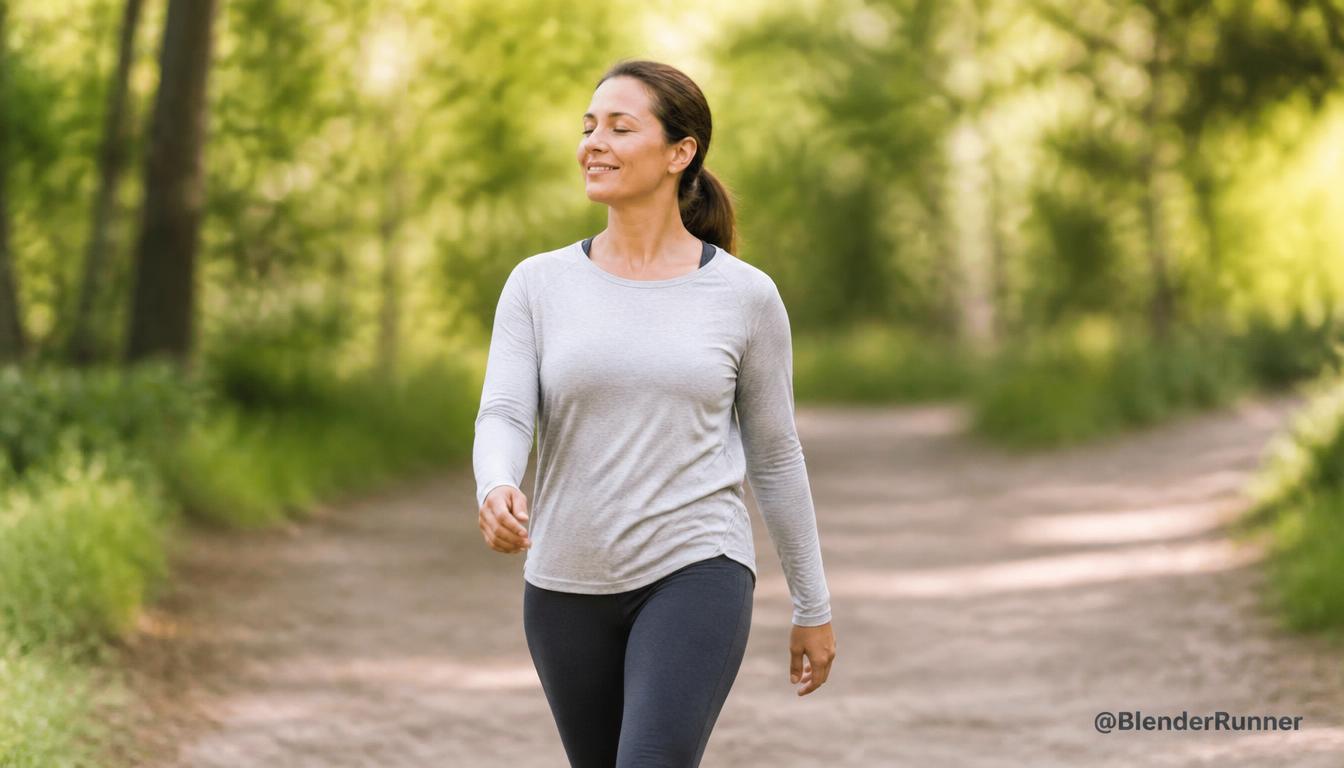
Walking yoga 2026 search interest has jumped roughly 2,414% year over year, making it one of the fastest-growing fitness trends of the year. Unlike most viral workouts, this one needs no equipment, no mat, and no gym — just a walk you were probably already planning to take. Whether you’re new to mindful movement or a longtime yoga practitioner looking for a fresh format, here’s exactly what walking yoga is, how it differs from a normal walk, and how to try it today.
What Is Walking Yoga?
Walking yoga 2026 practitioners describe it as a mindful movement practice that combines the physical benefits of walking with the breathwork, awareness, and intentional pacing found in traditional yoga. Rather than letting your mind wander while your legs move on autopilot, walking yoga asks you to synchronise your breath with your steps, stay genuinely present in your body and surroundings, and occasionally pause for simple standing poses along the way. It requires no mat, no studio, and no prior yoga experience — just a willingness to walk with more intention than usual.
How Walking Yoga Differs From Regular Walking
The core difference behind walking yoga 2026 comes down to awareness and breath. A standard walk is often something you do while your mind is elsewhere — thinking about work, scrolling a podcast, or simply not paying attention to the movement itself. Walking yoga flips that: the mind stays deliberately anchored to each step, each breath, and each physical sensation. Where ordinary walking is primarily about movement, walking yoga treats the walk itself as the practice, similar to how a seated meditation treats stillness as the practice.
The Benefits of Walking Yoga
Research and practitioner reports on walking yoga 2026 point to several consistent benefits:
- Lower stress and anxiety. The combination of rhythmic breathing and repetitive movement activates the parasympathetic nervous system, the body’s natural “calm down” response.
- Improved flexibility and mobility. Pausing periodically for gentle poses — forward folds, hip openers, simple twists — helps relieve stiffness that builds up from sitting or standing still for long periods.
- Better posture. The intentional focus on alignment during walking yoga carries over into how you stand and move the rest of the day.
- Cardiovascular benefits. Because it’s still walking, you get genuine heart-health benefits alongside the mindfulness component — Brooks Running notes that the deliberate breathing can help lower blood pressure while the walking itself supports overall heart health.
- Mental clarity and focus. Many practitioners report noticeably improved concentration and a calmer, less distracted mental state after even a single session.
Why Is Walking Yoga 2026 Suddenly Everywhere?
Part of the appeal is timing. Fitness culture broadly has been shifting away from high-intensity, burnout-driven training toward smarter, more sustainable approaches, and walking yoga fits that shift perfectly — it delivers genuine benefit without demanding intense effort or recovery time.
It also solves a real problem: the World Health Organization estimates over 264 million people globally experience depression, and physical inactivity contributes to millions of deaths a year, yet many people find traditional workouts intimidating or simply don’t have time for them. Walking yoga 2026 searches climbing so sharply reflects a genuine appetite for something that fits into an already-existing daily walk rather than requiring a separate, dedicated workout slot.
There’s also a research basis behind the trend, not just anecdote. A study on mindful walking found participants reported improvements in both physical well-being and psychological measures after eight weeks of consistent practice, and many practitioners describe noticeable calming effects after even their very first session.
How to Practice Walking Yoga: Step-by-Step
Getting started is simpler than it sounds. Here’s a straightforward approach for your first session.
Breath-Synced Walking
Set an easy, comfortable walking pace, then begin coordinating your breath with your steps. A simple starting ratio is inhaling for four steps and exhaling for four steps. Keep the breath slow and diaphragmatic — from your belly, not your chest — to properly activate the calming response this practice is built around. Once this feels natural, you can experiment with other ratios, such as inhaling for one step and exhaling for two.
Mantra Walking
Some practitioners add a simple word or phrase repeated silently with each step, syncing the mantra to your breath and stride the same way you’d sync a physical movement. This isn’t required, but many people find it helps keep the mind anchored to the present moment rather than drifting back into normal walking’s usual autopilot.
A Simple 30-Minute Walking Yoga Routine
Here’s a beginner-friendly structure for a walking yoga 2026 style session:
- 0-5 minutes: Start with an easy-paced walk, settling into a comfortable rhythm before adding any breathwork.
- 5-20 minutes: Begin syncing your breath to your steps using the four-step inhale, four-step exhale pattern, staying aware of your posture and surroundings.
- 20-25 minutes: Pause somewhere comfortable and move through two or three simple standing poses — a gentle forward fold, a standing twist, or a basic warrior pose variation.
- 25-30 minutes: Resume walking at an easy pace, letting your breath return to normal while staying present in your body as you finish.
Walking Yoga vs Japanese Walking vs Zone 2 Cardio
| Method | Primary Focus | Intensity | Best For |
|---|---|---|---|
| Walking Yoga | Mindfulness, breathwork, flexibility | Low, steady | Stress relief, mobility, mental clarity |
| Japanese Walking | Cardiovascular fitness, VO2 max | Alternating brisk/slow intervals | Fitness improvement, blood pressure |
| Zone 2 Cardio | Aerobic base, fat metabolism | Steady, moderate (60-70% max HR) | Endurance building, metabolic health |
These three approaches aren’t competing — they serve different goals, and nothing stops you from rotating between them across your week. If you want the cardiovascular benefits of our Japanese walking method guide on some days and the calming, mobility-focused benefits of walking yoga on others, that combination covers more ground than sticking to just one.
Tips for Beginners
- Start with just the breath. You don’t need poses on your first attempt — simply syncing breath to steps is a complete practice on its own.
- Wear comfortable, supportive shoes with good arch and heel support, since walking yoga sessions often run longer than a typical brisk walk.
- Adapt to your energy levels. On low-energy days, slow down or shorten the route rather than skipping the practice entirely.
- Try it outdoors when possible. Natural surroundings tend to deepen the mindfulness component, though walking yoga works just as well indoors or on a treadmill if that’s what’s available.
Variations to Try as You Progress
- Nature walking yoga: Practicing in a park, forest, or along the coast, using the natural setting to deepen the sense of presence and connection the practice is built around.
- Group walking yoga: Practicing with others, which many find boosts motivation and consistency compared to going it alone.
- Progressive breath ratios: Once the basic four-step inhale, four-step exhale pattern feels easy, try uneven ratios like inhaling for one step and exhaling for two, which some practitioners find more calming.
- Barefoot walking yoga: Where safe and appropriate, walking barefoot on natural surfaces like grass or sand can add a grounding, sensory element some practitioners find deepens the practice further.
Who Benefits Most From Walking Yoga?
Walking yoga 2026 practitioners span a wide range, but it’s especially useful for anyone dealing with high stress, a sedentary desk-based routine, or simply looking for a gentler entry point into movement than higher-intensity workouts offer. It’s also frequently recommended for people navigating hormonal changes or the physical effects of aging, since the combination of gentle movement, breathwork, and mobility work supports circulation and metabolic health without the joint strain of higher-impact exercise. That said, it works well as a complement to more vigorous training too, not just as a standalone option for beginners.
Pairing walking yoga with strength training across your week? Our hybrid training guide covers how to structure both without one interfering with the other.
Frequently Asked Questions
What is walking yoga?
Walking yoga is a mindful movement practice that combines walking with yoga-style breathwork, awareness, and occasional standing poses, aiming to turn an ordinary walk into an intentional, present-focused exercise.
Do I need any equipment for walking yoga?
No — walking yoga requires no mat, special clothing, or equipment beyond comfortable walking shoes. It can be practiced anywhere you’d normally walk.
How is walking yoga different from walking meditation?
Walking meditation focuses primarily on mental awareness and slow, deliberate steps, while walking yoga incorporates breathwork synchronised to a more natural walking pace, along with occasional standing yoga poses.
How long does it take to feel the benefits of walking yoga?
Many practitioners report feeling calmer and more focused after a single session, while consistent practice over about two weeks tends to bring more noticeable improvements in flexibility, joint comfort, and energy levels.
Can walking yoga help with stress and anxiety?
Yes — the combination of rhythmic breathing and repetitive movement activates the parasympathetic nervous system, which is directly linked to lower stress and anxiety, and many people notice a calming effect even after their first session.
Is walking yoga suitable for beginners with no yoga experience?
Yes — walking yoga is specifically designed to be accessible without prior yoga experience. Starting with just breath-synced walking, without adding any poses, is a complete and genuinely beneficial practice on its own.
Want a complete structured plan? Our Home Workout Guide lays out a full no-equipment programme, £9.99 on Payhip.
Enjoyed this guide? Follow us on Telegram or join our WhatsApp channel for more evidence-based training guides, and check out our Zone 2 cardio guide if you want to pair walking yoga with a more cardio-focused session.
Affiliate disclosure: This post contains affiliate links. We may earn a small commission at no extra cost to you if you make a purchase through them.
