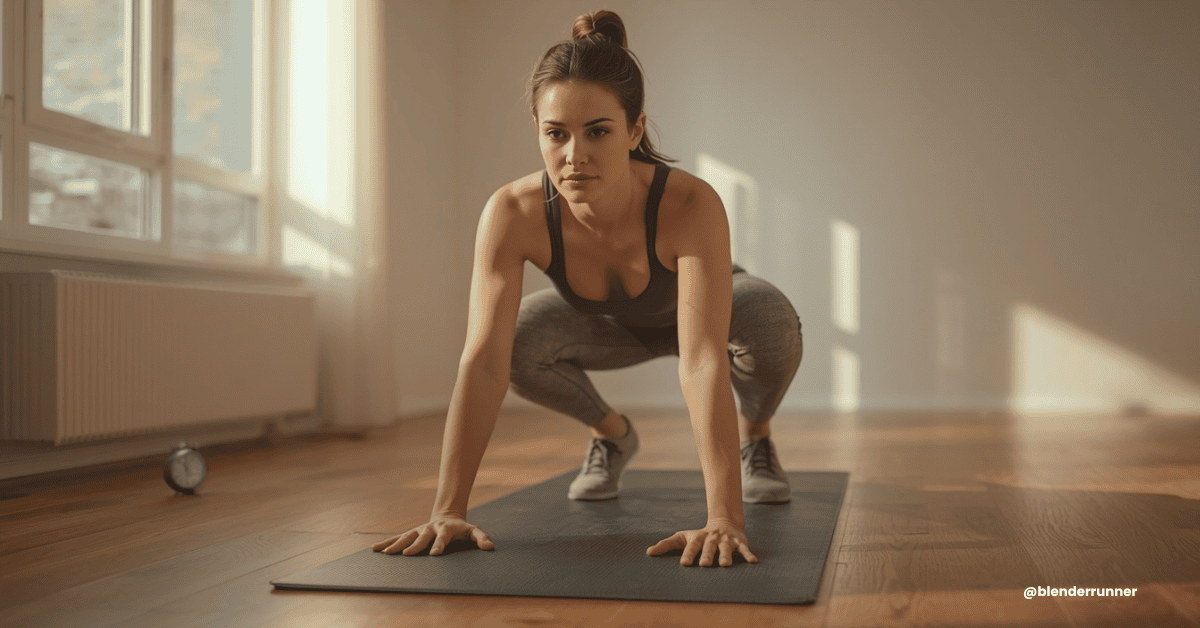
30-minute home workouts beat the two-hour gym grind for one simple reason: the people who actually keep exercising long-term are usually the ones doing short sessions, not marathon workouts they dread and eventually skip. If you’ve started and stopped a fitness routine more times than you’d like to admit, the problem probably isn’t your willpower. It’s that you picked a workout that was never going to fit your real life.
This guide breaks down why 30-minute home workouts are outperforming longer routines in 2026, how to structure one that actually delivers results, and a simple weekly plan you can start this week with little to no equipment.
Why 30-Minute Home Workouts Beat the Hour-Long Grind
For years, the assumption in fitness was simple: more time in the gym equals more results. That idea is losing ground fast. Reporting on a comparison study of 30-minute and 60-minute training sessions found that people doing shorter, higher-intensity sessions achieved comparable improvements in weight loss and muscle gain to those training for a full hour — and stuck with the program for longer. In other words, the shorter format wasn’t just “good enough.” For a lot of people, it was the better option once you factor in whether the plan actually gets followed.
That last part matters more than people realize. A workout that gets brilliant results on paper is worthless if you quit after three weeks. The real advantage of 30-minute home workouts isn’t some magic fat-burning window — it’s that a shorter session removes the biggest reason people fall off a routine: the plan simply asks too much of their day.
Industry bodies have picked up on this shift too. The American College of Sports Medicine’s 2026 trend report highlights a move away from long, punishing sessions toward smarter, more efficient training. The National Academy of Sports Medicine has made a similar observation, noting that shorter workout formats tend to hold up better over months and years than longer ones, largely because they ask less of a person’s schedule and mental energy. Even broader wellness research has pointed the same direction — coverage from ScienceDaily on exercise and health outcomes has highlighted how relatively modest amounts of structured activity, done consistently, can meaningfully improve cardiovascular fitness and long-term health markers.
The Adherence Science: Why Shorter Sessions Actually Stick
Adherence — whether you keep showing up — is the single biggest predictor of whether a workout routine changes your body. Studies on exercise interventions have repeatedly found that a large share of people who start a new routine stop following it within the first several months, regardless of how effective the program itself might be on paper. This is where 30-minute home workouts have a genuine structural advantage over longer sessions.
They tend to sidestep several of the usual dropout triggers:
- Less decision fatigue. A 30-minute session forces you to keep the plan simple: warm up, do the work, finish. There’s no room for the drifting, scrolling, and “just one more exercise” pattern that turns a 45-minute plan into 90 minutes.
- Lower time barrier. Even on a packed day, most people can find half an hour. That’s rarely true of 60-90 minutes, which is exactly why longer plans get skipped first when life gets busy.
- Less physical burnout. Shorter, focused sessions leave you with more energy for the rest of your day, which makes it easier to come back tomorrow instead of dreading the next session.
- A clearer finish line. Knowing exactly when a session ends makes it psychologically easier to start. Open-ended “however long it takes” workouts are much harder to commit to on a tired day.
None of this means intensity doesn’t matter — it does. The research is fairly consistent that intensity, not duration, is what drives most of the fitness benefit. A well-structured shorter session done with real effort will outperform a lazy 60-minute one almost every time, and it’s far more likely to still be happening in month six.
How to Structure 30-Minute Home Workouts That Actually Work
The mistake most people make with short sessions is trying to cram a full gym routine into half the time — and ending up exhausted, rushed, and skipping the parts that matter most. A better approach is to structure the session deliberately around four blocks, so nothing important gets left out.
1. Warm-Up (3 minutes)
Light marching on the spot, arm circles, hip openers, and a few bodyweight squats to raise your heart rate and loosen up your joints before you load them.
2. Strength Block (15-18 minutes)
This is the core of the session. Pick 4-5 compound movements that work multiple muscle groups at once — squats, push-ups, rows, lunges, glute bridges — and work through them as a circuit with minimal rest between exercises. Compound moves give you far more return per minute than isolation exercises, which is exactly what a time-limited workout needs.
3. Cardio Finisher (5-8 minutes)
A short burst of higher-intensity work — jumping jacks, mountain climbers, or fast step-ups — raises your heart rate and adds a conditioning element without needing extra time.
4. Cooldown (2-3 minutes)
Slow walking on the spot and light stretching to bring your heart rate down and reduce next-day stiffness.
If you want to add light resistance without turning your living room into a gym, a basic set of adjustable dumbbells or resistance bands is genuinely one of the highest-value purchases for home training — you can see the options worth considering in the BlenderRunner Amazon home workout picks, which cover the basics without needing a full rack of equipment.
30-Minute vs 60-Minute Home Workouts: A Quick Comparison
If you’re deciding between a shorter, more intense session and a longer one, this breakdown should make the trade-offs clearer.
| Factor | 30-Minute Home Workouts | 60-Minute Sessions |
|---|---|---|
| Time commitment | Fits most schedules, even busy days | Often the first thing cut when life gets busy |
| Long-term adherence | Generally higher — easier to keep showing up | Tends to drop off after the first few weeks |
| Intensity required | Higher — every minute needs to count | Can be lower since there’s more time to fill |
| Risk of “junk volume” | Low — no time for filler exercises | Higher — extra sets and long rest periods creep in |
| Best for | Beginners, busy schedules, building the habit | Specific strength or endurance goals with more time available |
A Simple Weekly Plan Using 30-Minute Home Workouts
You don’t need seven different routines. Rotating between two or three simple 30-minute home workouts is enough to see progress while keeping the plan easy to remember and easy to actually do.
- Monday — Full-Body Strength: Squats, push-ups, rows, glute bridges, plank hold. 3 rounds, minimal rest, finish with 5 minutes of jumping jacks or step-ups.
- Wednesday — Lower Body + Core: Lunges, wall sits, hip thrusts, bicycle crunches, side plank. 3 rounds, finish with a brisk 5-minute walk or march on the spot.
- Friday — Upper Body + Conditioning: Push-ups, rows, shoulder taps, tricep dips, plank shoulder taps. 3 rounds, finish with mountain climbers.
- One or two extra days: A lighter session focused on walking, mobility, or stretching, so your body gets a chance to recover without becoming a rest-day free-for-all.
If you’re just starting out and want an even shorter entry point before building up to the full 30 minutes, our 10-minute cardio workout for busy people is a good place to learn the basic movement patterns before stacking them into a longer session.
Common Mistakes That Sabotage 30-Minute Home Workouts
Even a well-designed short session can underperform if a few basics get overlooked.
- Treating 30 minutes as “easy.” Short doesn’t mean light. If you’re not slightly out of breath or feeling the strength block by round three, the intensity needs to go up, not the duration.
- Skipping the warm-up to save time. Cutting the 3-minute warm-up to fit in extra exercises increases injury risk and usually isn’t worth the trade.
- Changing the routine every session. Constant novelty feels productive but makes it hard to track progress. Stick with a rotation for a few weeks before swapping it out.
- Ignoring rest days. 30-minute home workouts are sustainable partly because they don’t demand daily recovery time — but your muscles still need at least one full rest day a week.
- No equipment at all, forever. Bodyweight training works, but a basic pair of dumbbells or a resistance band set lets you keep progressing once bodyweight squats and push-ups stop being challenging. Our 4-week weight loss plan pairs well with this routine if you want a longer-term structure to build toward.
How to Stay Consistent Once the Novelty Wears Off
The first two weeks of any new routine are the easy part — motivation is high and everything feels new. The real test comes in weeks three to eight, when the initial excitement fades and the routine needs to become a habit rather than a decision you make fresh every day.
A few things genuinely help here. Scheduling the session at the same time each day, the same way you’d schedule a meeting, removes the “when will I fit this in” question before it becomes an excuse. Laying out your mat, bands, or dumbbells the night before removes friction at the exact moment you’re least motivated to create it yourself. And tracking sessions — even something as simple as a tick on a calendar — gives you a visual streak that becomes its own motivation to keep going.
It also helps to judge progress by more than the scale. Strength gains, better sleep, more energy through the day, and clothes fitting differently are all signs that 30-minute home workouts are working, even in weeks when the number on the scale doesn’t move.
Frequently Asked Questions
Can I lose weight with just 30-minute home workouts?
Yes, provided your overall nutrition supports a calorie deficit. The sessions build the strength and activity habit; weight loss itself comes from the combination of consistent training and eating in a way that supports your goals.
How many days a week should I train?
Three to five days a week is a realistic target for most beginners starting with 30-minute home workouts, with at least one full rest day. Three focused sessions done consistently will outperform five sessions you can’t sustain.
Do I need equipment for 30-minute home workouts?
No — bodyweight movements like squats, push-ups, and lunges are enough to get started. Simple equipment like resistance bands or adjustable dumbbells can help once bodyweight exercises stop feeling challenging.
Is 30 minutes really enough time to see results?
For most people starting out, yes. Research comparing shorter and longer sessions has generally found similar results for weight loss and strength gains, with the shorter format often winning on long-term consistency.
What’s the best time of day to fit in 30-minute home workouts?
Whichever time you’ll actually do it. Morning sessions tend to have fewer scheduling conflicts, but consistency matters far more than timing.
Will short sessions build noticeable muscle, or just help with weight loss?
Both, within reason. The strength block in a well-structured session is enough stimulus to build muscle over time, especially for beginners, since almost any consistent resistance work produces early strength and muscle gains. It won’t replace a dedicated hypertrophy program for someone chasing serious size, but for general fitness and body composition goals it’s a solid, sustainable approach.
Building the habit of 30-minute home workouts is less about finding the perfect routine and more about picking one you can repeat without dreading it. Start with the weekly plan above, adjust the intensity as you go, and give it a few weeks before judging the results.
If you want a structured, no-equipment-needed plan to follow rather than building your own, the BlenderRunner Home Workout Guide lays out a full month of short home sessions step by step for £9.99.
Want more short, practical routines like this one? Follow BlenderRunner on Telegram or WhatsApp for new plans as they’re posted, or check out the 10-minute cardio workout for busy people for an even shorter option on your busiest days.
Ready to start? Grab the full Home Workout Guide for a done-for-you plan, or browse the basic equipment picks to build out your home setup.
Affiliate disclosure: This post contains affiliate links. We may earn a small commission at no extra cost to you if you make a purchase through one of these links.
