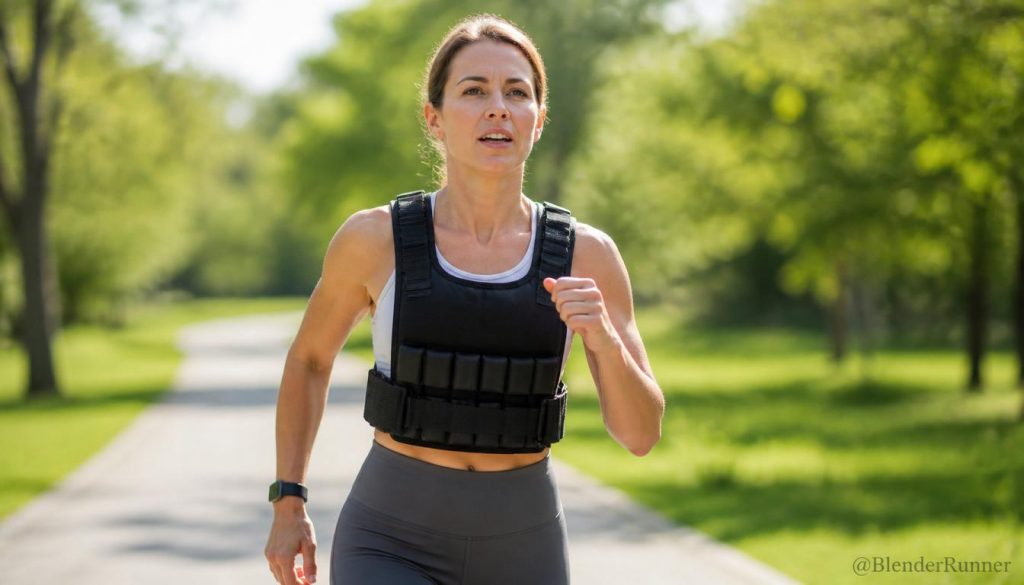
A weighted vest workout is one of the simplest ways to turn an ordinary walk, bodyweight session, or stair climb into a serious calorie-burning, muscle-building routine — without ever setting foot in a gym. If you’re in the UK, USA, Canada, Australia, across Europe, or anywhere in Asia and searching for a home workout for weight loss that actually fits into a busy schedule, a weighted vest might be the single most underrated tool you own.
In this guide we’ll break down exactly how added resistance training burns more calories, the best exercises to pair it with, how to choose the right vest for your body weight and goals, a full beginner-friendly training plan, and answers to the most common questions people search for worldwide. No gym membership, no bulky machines — just one piece of gear and your own bodyweight.
What Is Vest Training?
Training with a weighted vest simply means performing your normal exercises — walking, squats, push-ups, stair climbs, or HIIT circuits — while wearing a vest loaded with extra weight, typically anywhere from 4lb up to 30lb+. The added resistance forces your muscles and cardiovascular system to work harder for the exact same movement, which means more calories burned and more strength built in less time.
It’s become one of the fastest-growing trends in home fitness because it requires zero extra space, no assembly, and works with almost any exercise you already do — from a Sunday walk in the park to a full bodyweight circuit in your living room.
Unlike bulky home gym machines, a loaded vest is something you can put on in ten seconds and take with you anywhere — into the garden, up a local trail, or simply around the block. That portability is exactly why this style of resistance training has overtaken so many other home fitness trends over the past year. It doesn’t ask you to learn new movements; it just makes the movements you already know harder, safer, and more efficient at burning fat.
There’s also a mental side to it. Many people find that strapping on extra load creates a sense of commitment — a physical cue that today’s session means business. Combined with a structured plan, that small mindset shift is often what turns an occasional walk into a lasting habit.
Benefits of Weighted Vest Training
Before diving into specific routines, it helps to understand why a weighted vest workout delivers such a strong return on a small time investment:
- Burns more calories — the same walk or bodyweight circuit becomes significantly more demanding with added load.
- Builds functional strength — particularly through the legs, core, and posture muscles.
- Improves bone density — weight-bearing exercise is widely recognised as beneficial for long-term bone health, especially for women over 40.
- No new skills required — you keep doing familiar movements like walking, squats, and stairs; the vest just amplifies the effort.
- Portable and space-saving — unlike a home gym system, a vest fits in a drawer and travels with you.
- Improves posture and core stability — the added load sitting across your torso naturally encourages you to stand taller and brace your core throughout the day.
- Boosts metabolic afterburn — the harder your muscles work during a session, the more energy your body continues to use during recovery.
- Budget-friendly — a quality vest typically costs less than a single month of gym membership, yet keeps delivering results for years.
What makes this approach to resistance training so appealing is how little it disrupts your routine. You’re not carving out an hour for a gym commute, and you’re not learning a complicated new programme. You’re simply adding load to the walk, the stair session, or the bodyweight circuit you were already planning to do — and getting noticeably more out of every minute.
7 Best Weighted Vest Workouts
1. Weighted Vest Walking
The single most popular way to train with added load worldwide. Strap on a 10-20lb vest for your daily walk and you’ll notice a heavier heart rate and a stronger lower body within two weeks. It’s an easy entry point for beginners in the UK and USA who want a low-impact fat-loss routine that doesn’t feel like exercise. Aim for 30-45 minutes, three to five times a week, on flat ground to start.
2. Weighted Vest Stair Climbing
Stairs plus extra load is one of the most efficient calorie-torching combinations you can do at home. Ten minutes of loaded stair climbing rivals 30 minutes of unweighted cardio, and if you have a staircase at home, there’s zero excuse not to fit it in before breakfast.
3. Weighted Vest Bodyweight Circuit
Squats, lunges, push-ups, and glute bridges all become significantly more effective once you add resistance across your torso. This is the go-to session for anyone building a home workout for weight loss without dumbbells or a rack of equipment cluttering the living room.
4. Weighted Vest HIIT Intervals
Alternate 30 seconds of high-intensity movement — jumping jacks, mountain climbers, high knees — with 30 seconds of rest, all while carrying the extra load. This is one of the most time-efficient sessions on this list for people who only have 15-20 minutes a day to spare.
5. Weighted Vest Core Work
Planks, dead bugs, and standing rotations become far more challenging with added weight, helping target stubborn belly fat alongside a sensible calorie deficit and consistent training.
6. Weighted Vest Yoga or Pilates Flow
A lighter vest, around 4-8lb, added to a slow-flow session increases muscle engagement without disrupting balance or breathing — a favourite among people in Europe and Asia looking for a gentler entry into resistance training.
7. Weighted Vest Hiking
Popular across Canada and Australia where trail access is easy, hiking with a loaded vest — often called “rucking” — builds serious lower-body endurance and torches calories on outdoor terrain while doubling as time outside in nature.
Get the Guide
Vest Training Trends Around the World
Vest-based training has gone global. In the UK, “weighted vest walking” has become one of the most searched home fitness terms of 2026 among people looking for a low-impact home workout for weight loss. In the USA, vests are increasingly paired with rucking and HIIT for fat loss without a gym membership. Canada and Australia have seen a surge in vest-assisted hiking and outdoor walking routines, while fitness communities across Europe and Asia are adopting weighted vest circuits as an affordable alternative to expensive gym equipment. Wherever you are, the appeal is the same: one piece of gear, no membership fees, real results.
Best Weighted Vests Compared
Choosing the right gear makes a real difference to how your weighted vest workout feels day to day. Here’s how the most popular options stack up:
| Vest | Weight Range | Best For | Price Range |
|---|---|---|---|
| Adjustable Weight Vest (6-30lb) | 6lb – 30lb | Beginners to advanced, walking & HIIT | £/$25 – £/$45 |
| Reflective Rucking Vest | 10lb – 25lb | Outdoor walking, hiking, running | £/$30 – £/$50 |
| Lightweight Fitness Vest | 4lb – 12lb | Yoga, Pilates, low-impact training | £/$20 – £/$35 |
| Heavy-Duty Strength Vest | 20lb – 50lb | Advanced strength & conditioning | £/$45 – £/$80 |
Browse our recommended weighted vests and home workout gear on the BlenderRunner Amazon store.
How to Choose the Right Weighted Vest
Picking the right vest matters just as much as the exercises themselves — the wrong fit can turn a great weighted vest workout into an uncomfortable one. Start light. A good rule of thumb is 5-10% of your bodyweight for beginners, working up to 15-20% as your fitness improves. Look for an adjustable vest so you can increase load gradually, a snug (not loose) fit so weight doesn’t shift while moving, and breathable material if you plan to use it for walking or HIIT. Reflective strips are a bonus if you’re doing early morning or evening sessions outdoors.
4-Week Beginner Training Plan
| Week | Frequency | Focus | Vest Load |
|---|---|---|---|
| Week 1 | 3x per week | Walking + bodyweight circuit | 5-8lb |
| Week 2 | 4x per week | Add stair climbing | 8-10lb |
| Week 3 | 4x per week | Introduce HIIT intervals | 10-15lb |
| Week 4 | 5x per week | Full circuit + hiking/outdoor walk | 12-18lb |
For a deeper breakdown of exercises and rest days, check our Home Workouts for Weight Loss: The Complete Beginner Guide.
Training is only half the equation — pairing your sessions with the right nutrition makes results show up faster. See our guide on the Protein-First Diet for Weight Loss in 2026 to build a plan that supports your training.
Common Mistakes to Avoid
Even a simple piece of equipment can be misused. The most common mistake is loading too much weight in the first week — this often leads to shoulder rubbing, lower back strain, and giving up before real progress shows. A close second is inconsistency: wearing the vest once and expecting dramatic results within days. Like any form of training, the benefits compound over weeks, not single sessions.
Another frequent issue is poor fit. A vest that sits too loose will bounce and shift with every step, which is both uncomfortable and less effective, while one that’s too tight can restrict breathing during more intense intervals. Take the time to adjust straps properly before every session, and don’t be afraid to size down slightly for a snugger, safer fit.
Finally, many people skip warming up simply because it’s “just a walk.” Adding load changes the demand on your joints and connective tissue, so a few minutes of mobility work beforehand — ankle circles, hip swings, and shoulder rolls — goes a long way toward preventing niggles further down the line.
Safety Tips
- Never exceed 20% of your bodyweight as a beginner.
- Keep the vest snug against your torso to avoid strain on your lower back.
- Build up gradually — add weight only once a routine feels comfortable.
- Avoid heavier training sessions if you have existing back, joint, or heart conditions without medical advice.
For general guidance on safe weight-bearing exercise, Harvard Health’s exercise and fitness resource is a trusted reference point.
Frequently Asked Questions
Does a weighted vest workout actually help with weight loss?
Yes. Adding load to walking, HIIT, or bodyweight training increases the calories burned per session, which supports fat loss when combined with a consistent calorie deficit.
How heavy should my weighted vest be to start?
Beginners should start around 5-10% of bodyweight and increase gradually as strength and fitness improve.
Can I wear a weighted vest every day?
Most people can wear a light vest daily for walking, but it’s best to give your body 1-2 rest days per week from higher-intensity training sessions.
Is vest training better than running?
They serve different purposes — training with added load builds strength alongside cardio, while running is primarily cardiovascular. Many people combine both for best results.
What’s the best vest-based routine for belly fat?
A combination of HIIT intervals and core-focused circuits performed with added load, paired with a calorie deficit, is the most effective approach for reducing belly fat over time.
How much weight should I add compared to my bodyweight?
Most trainers recommend starting at around 5-10% of bodyweight and building up towards 15-20% as your strength, balance, and conditioning improve over several weeks.
Can beginners in the UK, USA, or Australia follow the same plan?
Yes. The core principles of progressive load, consistency, and gradual increases apply regardless of location. Adjust starting weight and session frequency to your current fitness level rather than your country.
Final Thoughts
A weighted vest workout is one of the most affordable, effective, and space-saving ways to build strength and burn fat at home — whether you’re walking around your neighbourhood in Leeds, hiking a trail in Ontario, or running through a HIIT circuit in Sydney. Start light, stay consistent, and let one simple piece of gear do the heavy lifting for your fat-loss goals in 2026.
The biggest mistake most people make isn’t choosing the wrong vest — it’s loading too much weight too soon and quitting after a sore back or stiff shoulders. Progress slowly, keep sessions consistent rather than occasional, and let the added resistance do its job gradually. Whether your goal is dropping a dress size, building visible muscle tone, or simply moving more without stepping foot in a gym, a well-planned routine with added load can get you there faster than you’d expect.
If you’re just getting started, revisit the 4-week beginner plan above, pick two or three exercises from the list that fit naturally into your week, and commit to showing up — even on the days motivation is low. Consistency with a lighter vest will always beat sporadic effort with a heavier one.
Get the Guide Now
Telegram: t.me/blenderrunner |
WhatsApp: Join Channel
