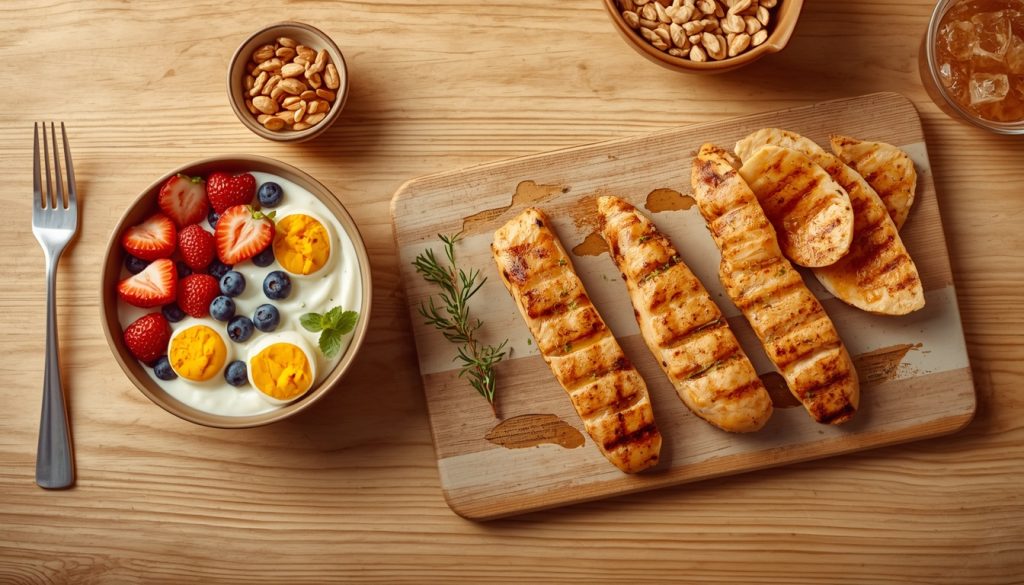
The protein-first diet is one of the biggest weight loss trends of 2026, and unlike a lot of fads that come and go, this one is actually backed by solid science. The idea is simple: prioritise protein at every meal before anything else, and the rest of your eating naturally falls into place.
What Is the Protein-First Diet?
Unlike keto, intermittent fasting, or calorie counting, the protein-first approach does not ask you to cut out entire food groups or eat within a strict time window. Instead, the rule is straightforward: at every meal, eat your protein source first, aiming for roughly 25 to 30 grams, before moving on to carbohydrates, vegetables, or anything else on your plate.
This small shift in eating order, combined with consistently hitting a daily protein target, has become one of the most talked about approaches among nutritionists and fitness coaches heading into 2026. It is less about restriction and more about structure.
Why It Actually Works
The science behind protein-first eating is fairly well established. Protein is the most satiating macronutrient, a finding supported by research from Harvard Health, meaning it keeps you feeling full for longer than carbohydrates or fat.
Protein also requires more energy to digest than fat or carbohydrates, a phenomenon known as the thermic effect of food. In practical terms, this means your body burns slightly more calories simply processing protein compared to other macronutrients.
Perhaps most importantly for anyone doing home workouts, adequate protein intake helps preserve lean muscle mass during weight loss. Losing weight without enough protein often means losing muscle along with fat, which can leave you looking and feeling soft rather than toned, even at a lower body weight.
How Much Protein Do You Actually Need?
Most nutrition experts recommend somewhere between 1.2 and 2.0 grams of protein per kilogram of bodyweight per day for anyone actively trying to lose fat while preserving muscle. For a person weighing 70kg, that works out to roughly 84 to 140 grams of protein daily, spread across three to four meals.
The protein-first method makes hitting this target far more intuitive than trying to track every gram. By simply prioritising a protein source at each meal first, most people naturally land within a reasonable range without obsessive counting.
| Food | Protein per 100g |
|---|---|
| Chicken breast | 31g |
| Greek yogurt | 10g |
| Eggs (2 large) | 13g |
| Lentils (cooked) | 9g |
| Tofu | 8g |
| Salmon | 25g |
How to Get Started
The beauty of the protein-first diet is how little it requires you to change overnight. Start with your next meal: identify the protein source on your plate and eat it first, before reaching for rice, bread, pasta, or other carbohydrates. Do this consistently for a week before worrying about exact gram targets.
Once the habit feels natural, start paying attention to whether each meal actually contains a meaningful protein source at all. A surprising number of typical breakfasts and lunches, think cereal, toast, or a plain salad, contain very little protein, which makes the protein-first rule difficult to apply simply because there is nothing substantial to eat first.
Stocking your kitchen with quick protein options, eggs, Greek yogurt, tinned fish, pre-cooked chicken, and protein powder, removes the most common barrier people run into during the first few weeks.
A Sample Day of Protein-First Eating
- Breakfast: Greek yogurt with berries, or scrambled eggs
- Lunch: Grilled chicken or tofu, eaten before the side of rice or vegetables
- Snack: A handful of nuts or a protein shake
- Dinner: Salmon or lean beef, again eaten first, followed by vegetables and a smaller portion of carbohydrates
Notice that nothing here is forbidden. Carbohydrates and fats are still part of every meal, they simply come second, after the protein source has been prioritised.
Common Mistakes to Avoid
The most common mistake is treating protein-first as an excuse to eat unlimited amounts of protein while ignoring portion sizes elsewhere. The approach works because it naturally regulates appetite and supports muscle retention, not because protein itself is calorie-free. Overall calorie balance still matters for weight loss.
Another frequent issue is relying too heavily on processed protein bars and shakes instead of whole food sources. These can be useful for convenience, but whole foods like eggs, fish, poultry, and legumes generally come with additional nutrients that processed protein products lack.
Finally, some people apply the protein-first rule too rigidly and end up stressed about meal order at every single meal, including social situations where it simply is not practical. Treating it as a general guideline rather than an absolute rule tends to produce better long-term adherence.
Protein-First vs Other 2026 Diet Trends
| Approach | Restriction Level | Best For |
|---|---|---|
| Protein-first | Low | Sustainable long-term weight loss |
| Intermittent fasting | Medium | Those comfortable with eating windows |
| Keto | High | Short-term rapid results |
| Calorie counting | Medium-High | Detail-oriented trackers |
Compared to keto or strict calorie counting, the protein-first diet asks far less of you day to day, which is a major reason nutritionists are pointing to it as one of the more sustainable approaches heading into 2026.
Pairing It With Home Workouts
Protein-first eating pairs especially well with consistent home workouts. The muscle-preserving effect of higher protein intake means your strength training or bodyweight sessions actually translate into visible muscle tone as fat comes off, rather than just a smaller version of the same soft shape on the scale.
For best results, aim to include a protein source within an hour or two after training, when your muscles are primed to use it for repair and growth. This does not need to be complicated, a protein shake, a couple of eggs, or leftover chicken from dinner all work perfectly well.
Whole Foods vs Protein Supplements
One question that comes up constantly with the protein-first diet is whether supplements are necessary, or whether whole foods alone can get the job done. The honest answer is that whole foods should form the foundation, but supplements can fill genuine gaps, particularly for people with busy schedules or smaller appetites who struggle to physically eat enough protein-dense food across the day.
Whey protein remains the most researched and widely used option, offering a complete amino acid profile and rapid absorption. Plant-based alternatives like pea or rice protein blends have closed much of the gap in recent years and work well for anyone avoiding dairy. The key is treating these as a convenient top-up rather than the primary source, whole food sources generally bring along fibre, vitamins, and minerals that isolated protein powders simply do not provide.
A reasonable approach for most people following the protein-first method is to aim for at least two of their three main meals to come from whole food protein sources, reserving shakes or bars for situations where time genuinely does not allow for proper cooking.
Meal Timing and Spacing Protein Throughout the Day
Beyond simply hitting a daily total, research increasingly suggests that how protein is spread across the day matters almost as much as the total amount consumed. Eating the bulk of your daily protein in one large dinner, a common pattern for people who skip breakfast or eat a light lunch, appears to be less effective for muscle preservation than spreading intake more evenly across three or four meals.
This is one of the practical advantages of the protein-first method specifically. Because you are prompted to prioritise a protein source at every single meal, the approach naturally encourages more even distribution throughout the day, rather than the lopsided pattern that often happens when protein is an afterthought.
For anyone training in the morning, having a protein source ready immediately afterward, even something as simple as a boiled egg or a small portion of yogurt, helps maintain this even spread without requiring much extra planning.
Grocery Shopping for a Protein-First Lifestyle
Successfully sticking to this approach long term often comes down to what is actually in your fridge and cupboards when hunger strikes. A useful starting shopping list includes eggs, Greek yogurt, chicken breast or thighs, tinned fish such as tuna or salmon, lentils, beans, tofu, and a protein powder of your choice as a backup option.
Batch cooking protein sources at the start of the week, grilling a tray of chicken thighs or hard boiling a dozen eggs, removes much of the daily decision fatigue that derails good intentions by Wednesday evening. Having something ready to eat first, rather than needing to cook from scratch every single meal, is often the difference between sticking with the habit and quietly abandoning it within a fortnight.
Is This a Long-Term Lifestyle or Another Fad?
What separates the protein-first diet from many of the trends that come and go each January is the absence of an end date. There is no twelve-week cycle to complete, no reintroduction phase, and no list of forbidden foods you eventually have to negotiate your way back to. The approach simply asks for a permanent shift in meal order and a general awareness of protein intake, both of which are easy to maintain indefinitely without feeling like a diet in the restrictive sense at all.
This is precisely why several registered dietitians have pointed to protein-first eating as one of the more credible trends heading into 2026, in contrast to more extreme or time-limited approaches that tend to produce short-term results followed by rebound weight gain once normal eating resumes. A pattern you can realistically follow in five years’ time is, by definition, more valuable than one that only works for a few intense weeks.
Who Should Be Cautious With This Approach
While generally safe for most healthy adults, a few groups should approach significantly increased protein intake with extra care. Anyone with existing kidney disease should consult a doctor before substantially raising protein consumption, since the kidneys play a central role in processing protein byproducts. Pregnant or breastfeeding individuals should also check with a healthcare provider, as protein needs and safe upper limits can differ during these periods.
For the vast majority of people simply looking to lose fat while preserving muscle through sensible home workouts and everyday eating, none of these concerns apply, and the protein-first method remains one of the more approachable, sustainable options available to UK, US, Canadian, and Australian dieters heading into the rest of 2026.
Related: Best Foods to Burn Belly Fat at Home 2026 and Why You’re Not Losing Weight at Home
Frequently Asked Questions
Is the protein-first diet safe for everyone?
For most healthy adults, the protein-first approach is considered safe and sustainable. Anyone with kidney issues or other medical conditions should speak with a doctor before significantly increasing protein intake.
How quickly will I see results on a protein-first diet?
Many people notice reduced hunger and cravings within the first week. Visible weight loss results typically take several weeks of consistent application, similar to most sustainable eating approaches.
Can I follow a protein-first diet as a vegetarian or vegan?
Yes. Plant-based protein sources like tofu, lentils, beans, tempeh, and plant protein powders can all be prioritised first at meals, following the same core principle.
Do I need to count calories on a protein-first diet?
Not necessarily, though tracking loosely for the first few weeks can help you understand your typical intake. Many people find the natural appetite regulation from protein-first eating makes strict counting unnecessary over time.