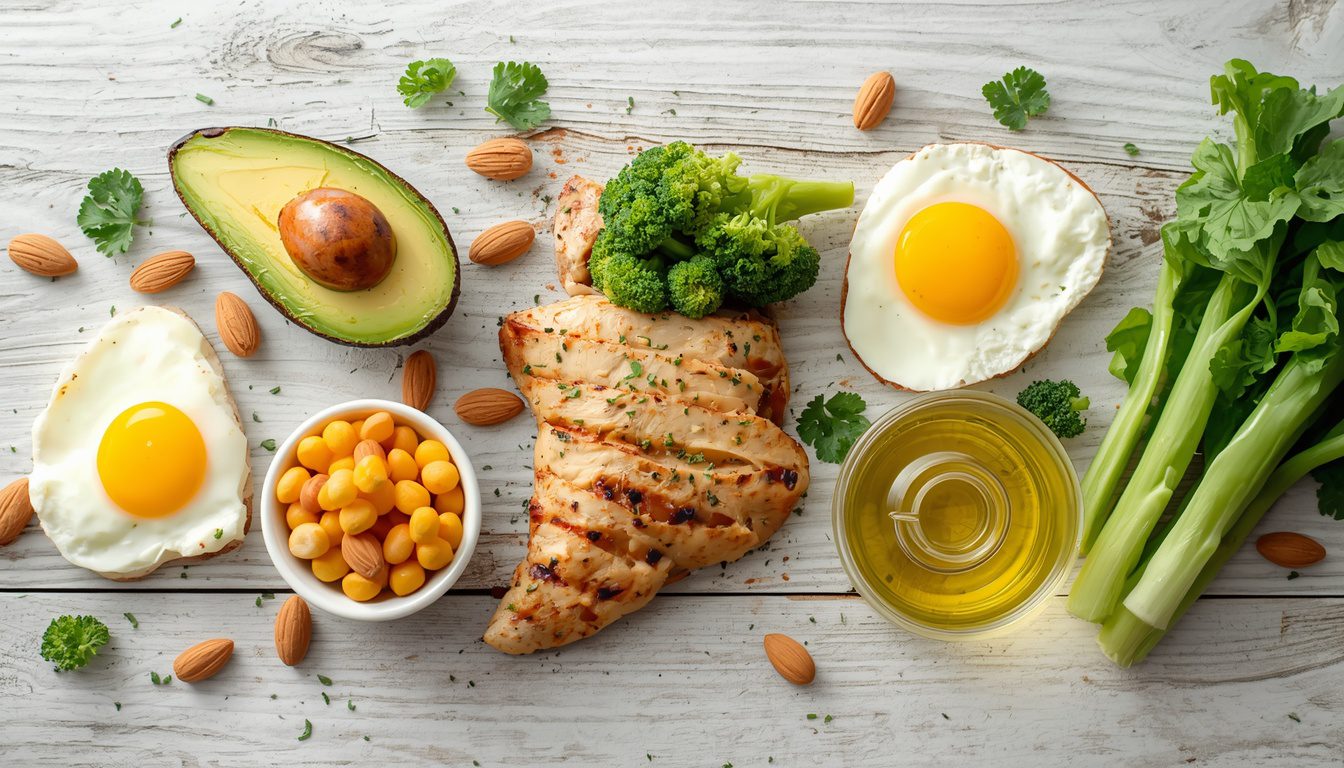
The keto diet for weight loss has become one of the most searched nutrition approaches in 2026, and for good reason — when done correctly, it produces faster initial results than most other eating plans. But it also comes with real trade-offs that are worth understanding before you commit. This guide covers everything you need to know about how the keto diet works, who it suits best, and how to get started safely from home.
What Is the Keto Diet?
The keto diet, short for ketogenic diet, is a very low carbohydrate, high fat eating approach designed to shift your body into a metabolic state called ketosis. In ketosis, your body burns fat as its primary fuel source instead of glucose from carbohydrates.
A standard keto diet typically consists of roughly 70-75% of daily calories from fat, 20-25% from protein, and just 5-10% from carbohydrates — usually no more than 20-50g of net carbs per day. This is significantly lower than what most people eat, making it a fairly strict approach that requires deliberate planning.
How the Keto Diet Works for Weight Loss
The keto diet for weight loss works through two main mechanisms. First, drastically reducing carbohydrate intake depletes your body’s glycogen stores, forcing it to turn to fat for energy. Second, ketone bodies produced during this process tend to suppress appetite more effectively than a standard high-carb diet, which often leads to naturally reduced calorie intake without deliberate restriction.
Initial weight loss on keto tends to be rapid, often 2-4kg in the first week. However, it is important to understand that a significant portion of this early loss is water weight rather than body fat, since each gram of glycogen is stored alongside roughly three grams of water. Real fat loss follows in subsequent weeks at a more gradual pace.
Research published on NHS Eat Well and various nutrition studies has shown that low-carb approaches like keto can be effective for short to medium-term weight loss, though long-term outcomes depend heavily on adherence and individual metabolic response.
What to Eat on Keto
Knowing what to eat on the keto diet for weight loss is straightforward once you understand the core principle: keep carbs as low as possible, prioritise healthy fats, and eat adequate protein.
- Meat and fish: Chicken, beef, lamb, salmon, tuna, sardines
- Eggs: One of the most keto-friendly foods available
- Dairy: Cheese, butter, cream, full-fat Greek yogurt (in moderation)
- Low-carb vegetables: Spinach, kale, broccoli, courgette, cauliflower, peppers
- Nuts and seeds: Almonds, walnuts, chia seeds, flaxseeds
- Healthy fats: Avocado, olive oil, coconut oil
What to Avoid
- Bread, pasta, rice, and other grains
- Sugar and sugary drinks
- Most fruit (berries in small amounts are acceptable)
- Starchy vegetables like potatoes, sweet potatoes, and corn
- Beans and legumes
- Alcohol (particularly beer and sweet wines)
Keto vs Other Popular Diets
| Diet | Carb Level | Speed of Results | Sustainability |
|---|---|---|---|
| Keto | Very low (5-10%) | Fast initial loss | Moderate — strict rules |
| Protein-first | Moderate | Gradual, steady | High — flexible approach |
| Intermittent fasting | Flexible | Moderate | Medium — time-restricted |
| Calorie counting | Flexible | Gradual | Medium — requires tracking |
How to Get Started on Keto
Getting started on the keto diet for weight loss requires a few days of preparation rather than jumping in without a plan. The transition into ketosis is the hardest part, and having the right foods stocked in your kitchen from day one removes most of the early obstacles.
Start by clearing out obvious carb sources — bread, pasta, rice, cereals, and sugary snacks. Replace them with keto staples: eggs, tinned fish, cheese, avocados, leafy greens, nuts, and olive oil. Having a rough weekly meal plan written down before you begin helps enormously, since the first few days often involve adjusting to new meal patterns that feel unfamiliar.
Tracking your carb intake using a simple food diary or app for the first two weeks helps confirm you’re staying under your daily limit. Many people unknowingly eat hidden carbs in sauces, condiments, and packaged foods during the early stages, which can prevent the body from reaching ketosis fully.
Most people enter ketosis within two to four days of strict carb restriction, though this varies based on activity level, body composition, and metabolic rate. Those who exercise regularly tend to reach ketosis faster since exercise depletes glycogen stores more quickly.
The Keto Flu — What It Is and How to Manage It
One of the most common early experiences on the keto diet for weight loss is what’s known as the keto flu, a short period of fatigue, headaches, brain fog, and irritability that typically occurs during the first three to seven days of carb restriction. It is caused by the body’s adjustment to using fat as fuel instead of glucose, combined with increased water and electrolyte loss as glycogen is depleted.
The keto flu is temporary and manageable with a few straightforward adjustments:
- Drink more water throughout the day
- Increase sodium, potassium, and magnesium intake — salt your food, eat avocados and leafy greens
- Don’t restrict calories too aggressively during the first week
- Get adequate sleep to support the metabolic transition
Most people feel significantly better by the end of the first week, and many report improved mental clarity and stable energy levels once fully adapted, usually within two to four weeks.
Pairing Keto With Home Workouts
Combining the keto diet for weight loss with regular home workouts accelerates fat loss and helps preserve lean muscle during the calorie deficit that naturally accompanies keto eating. The main adjustment to be aware of is that high-intensity exercise may feel harder during the first week or two of keto, simply because the body hasn’t yet become fully efficient at using fat as a workout fuel.
Lower intensity exercise, such as walking, yoga, or light bodyweight circuits, tends to feel more manageable during the adaptation phase. Once fully keto-adapted, most people find their endurance and strength return to normal levels, and some report improvements in sustained energy during longer, lower-intensity sessions.
If you’re planning to include HIIT or heavy strength work, consider timing your workouts a few hours after your highest-fat meal of the day to ensure adequate energy availability.
Who the Keto Diet Suits Best
The keto diet for weight loss tends to work particularly well for people who:
- Want fast initial results as motivation to continue
- Struggle with carb cravings and find it easier to cut them out entirely than moderate them
- Enjoy high-fat foods like meat, fish, cheese, and avocados
- Are comfortable with meal planning and food label reading
- Don’t have underlying kidney or liver conditions
It tends to be less suited to people who enjoy a varied diet including fruit, wholegrains, and legumes, since these are largely restricted. Social eating can also become more complicated on strict keto, as most restaurant meals and social occasions involve bread, pasta, rice, or other carb staples.
Is Keto Right for Long-Term Weight Loss?
This is the most honest question to ask before committing. The keto diet for weight loss produces strong short to medium-term results for many people, but research on outcomes beyond one year is more mixed. The main challenge is adherence — maintaining such a low carb intake long term is difficult for most people in the context of everyday social life, travel, and varying appetite.
A common pattern is using keto as a focused period of faster loss, perhaps eight to twelve weeks, before transitioning to a more flexible low-carb or protein-first approach for ongoing maintenance. This two-phase strategy captures the initial momentum of keto while building toward more sustainable long-term habits.
Related reading: Protein-First Diet 2026: The Trend That Actually Works and Healthy Eating Tips for a Stronger, Healthier You
A Simple Week 1 Keto Meal Plan
Having a structured meal plan for the first week removes the guesswork that causes most people to abandon the keto diet for weight loss before their body even fully adapts. The meals below are straightforward, require minimal cooking skill, and keep net carbs well under 30g per day.
Breakfast options: Scrambled eggs with butter and spinach, Greek yogurt with a handful of walnuts, or a two-egg omelette with cheese and mushrooms.
Lunch options: Tinned salmon or tuna with avocado and leafy greens, a chicken salad with olive oil dressing, or a large bowl of broccoli and cheddar soup.
Dinner options: Grilled chicken thighs with roasted courgette and olive oil, beef mince with cauliflower rice, or baked salmon with steamed broccoli and butter.
Snacks: A small handful of almonds or walnuts, a boiled egg, celery sticks with cream cheese, or a slice of cheese.
None of these meals are complicated or expensive, and most can be prepared in under twenty minutes. Rotating through two or three breakfast, lunch, and dinner options during the first week, rather than trying to make something different every meal, significantly reduces the mental load of adapting to a new way of eating.
Tracking Ketosis — Do You Need to Test?
A common question from people starting the keto diet for weight loss is whether they need to buy ketone testing strips or a blood ketone meter to confirm they’re in ketosis. The honest answer is that testing is optional rather than essential, particularly for someone using keto primarily for fat loss rather than therapeutic purposes.
The most reliable signs you have entered ketosis don’t require any equipment at all: noticeably reduced appetite, a slightly metallic or unusual taste in the mouth, increased thirst, and a brief period of fatigue followed by more stable energy throughout the day. If you’re consistently eating under 30g of net carbs per day, it’s reasonable to assume you’re in or near ketosis without formal testing.
Urine testing strips are the cheapest option if you want confirmation, though they become less accurate after the first few weeks as your body becomes more efficient at using ketones. Blood ketone meters are the most accurate method but cost significantly more per test. For most people following the keto diet for general weight loss rather than a medical protocol, neither is necessary.
Frequently Asked Questions
How quickly does the keto diet work for weight loss?
Most people lose 2-4kg in the first week, though a large portion of this is water weight. Genuine fat loss typically follows at a rate of 0.5-1kg per week from week two onward, depending on calorie intake and activity level.
Can I do keto without eating meat?
Yes, though it requires more planning. Vegetarian keto relies on eggs, dairy, tofu, tempeh, nuts, seeds, and low-carb vegetables. Vegan keto is significantly more challenging but possible with careful planning around protein and fat sources.
How long should I stay on the keto diet?
There is no fixed answer. Many people use keto for eight to twelve weeks as a focused fat loss phase, then transition to a more flexible eating approach. Others maintain it longer term. Listening to how your body responds and monitoring energy, sleep, and mood are good guides.
Will I regain weight when I stop keto?
Some weight regain, particularly water weight, is common when reintroducing carbs after keto, since glycogen and water are replenished. Fat regain depends entirely on what eating habits replace keto — transitioning to a balanced, whole-food approach rather than reverting to processed carbs minimises this risk.
This page contains affiliate links. We may earn a small commission at no extra cost to you.
