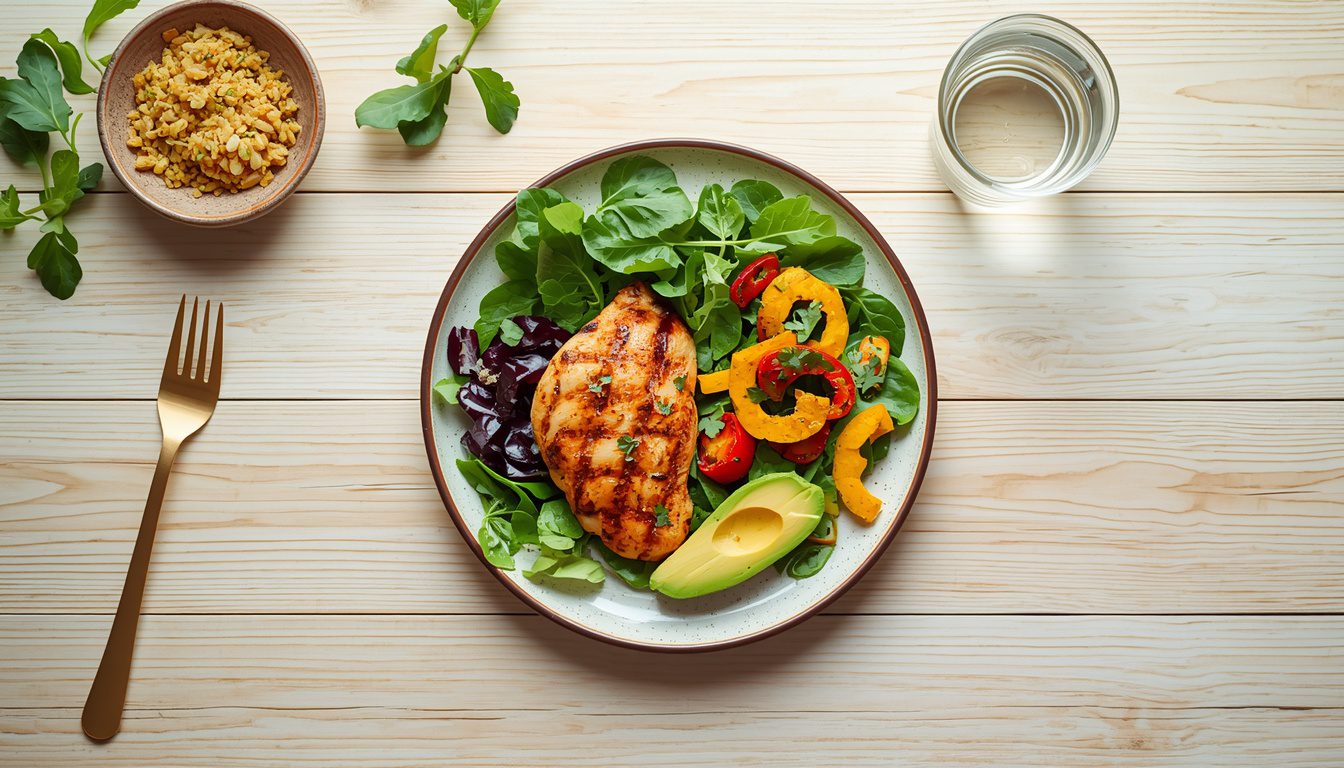
Healthy eating tips for a stronger, healthier you don’t need to be complicated or restrictive to actually work. The people who stick with better eating habits long term aren’t the ones following the strictest rules, they’re the ones who’ve built a handful of simple, sustainable habits that fit real life. Here are eight practical changes that genuinely move the needle, without requiring you to overhaul everything overnight.
1. Start Your Day With Protein
Protein keeps you full longer and stabilises blood sugar, which makes a real difference to how the rest of your day plays out. A breakfast heavy in refined carbohydrates alone, think white toast or sugary cereal, tends to spike blood sugar quickly and leave you hungry again within a couple of hours.
Try: eggs, Greek yogurt, oats with chia seeds, or a quick protein smoothie. None of these require much preparation, and having two or three go-to options on rotation makes this habit far easier to stick with on busy mornings.
2. Add Colour to Every Meal
Aim for at least three colours on your plate at each meal. More colour generally means more variety in vitamins, minerals, and antioxidants, since different coloured fruits and vegetables tend to contain different beneficial plant compounds.
This is an easy visual check that doesn’t require any counting or tracking. A plate of beige food, think chips, white bread, and plain chicken, is a useful signal that something could be added, rather than a reason for guilt.
3. Choose Whole Foods Over Processed Foods
Simple swaps make a big difference over time, without requiring you to give anything up entirely:
- Crisps → nuts
- White bread → wholegrain
- Sugary snacks → fruit or yogurt
- Fizzy drinks → sparkling water with fruit
- Processed deli meats → grilled chicken or fish
The goal here isn’t perfection. Even swapping two or three processed staples for whole food alternatives across a typical week adds up meaningfully over months.
4. Stay Hydrated Throughout the Day
Most people mistake thirst for hunger, reaching for a snack when what their body actually needed was water. Aim for six to eight glasses of water daily as a general baseline, adjusting upward if you’re training regularly or it’s particularly warm.
A practical habit that helps: drink a full glass of water before each meal. This alone tends to reduce overeating, since mild dehydration is often misread by the body as hunger.
5. Eat Mindfully
Slow down, chew well, and actually pay attention to your food rather than eating in front of a screen. Mindful eating reduces overeating and improves digestion, largely because it takes the brain roughly twenty minutes to register fullness, and eating quickly tends to outpace that signal.
This doesn’t mean every meal needs to be a slow, formal ritual. Even putting your phone down for the first five minutes of a meal makes a noticeable difference for most people.
6. Plan Simple, Balanced Meals
Healthy eating becomes significantly easier when you plan ahead rather than deciding what to eat in the moment, when convenience usually wins. A few reliable, simple meal formats you can rotate through removes most of the daily decision fatigue:
- Smoothies
- Stir-fries
- Salads with lean protein
- One-pan meals
- Soup with wholegrain bread
None of these require advanced cooking skills or specialist equipment, and most can be made in under thirty minutes from ingredients that keep well in the fridge or freezer.
7. Don’t Fear Healthy Fats
Avocado, olive oil, nuts, and seeds support brain health and keep you satisfied for longer between meals. For years, dietary fat was treated as something to minimise, but current nutrition science draws a clear distinction between healthy unsaturated fats and the processed, trans fats found in many packaged foods.
A drizzle of olive oil on vegetables, a handful of almonds as a snack, or half an avocado with eggs are all examples of fat working in your favour rather than against your goals.
8. Balance, Not Perfection
Healthy eating isn’t about strict rules or eliminating entire categories of food. It’s about making better choices most of the time, while leaving room for the meals and treats that make eating enjoyable. This approach to balance is precisely why it tends to last, where rigid all-or-nothing diets typically don’t.
If one meal or one day doesn’t go to plan, the most useful response is simply returning to your normal habits at the next opportunity, rather than treating it as a reason to abandon the whole approach.
Putting It All Together
None of these eight habits require dramatic life changes or expensive ingredients. Most people see the best results by picking just one or two to focus on for the first couple of weeks, rather than attempting all eight simultaneously. Once a habit like starting the day with protein or drinking water before meals becomes automatic, adding the next one becomes far easier.
These habits also pair naturally with consistent home workouts. Eating well fuels better training sessions, and regular exercise tends to reinforce better food choices in return, creating a positive cycle rather than two separate, unconnected goals. Over time, this combination of small dietary habits and regular movement compounds into noticeably better energy, body composition, and overall wellbeing, without ever requiring a dramatic, unsustainable overhaul.
Building a Weekly Routine Around These Habits
Turning these eight tips into lasting habits works best with some light structure around them, rather than relying on willpower alone each day. A simple weekly approach many people find effective involves picking a single day, often Sunday, to handle the bulk of preparation that makes the rest of the week easier.
This might mean boiling a batch of eggs, washing and chopping vegetables for easy snacking, or portioning out a few grab-and-go protein sources for busy mornings. None of this needs to take more than thirty to forty minutes, but it removes the daily friction that often causes good intentions to quietly fall apart by midweek.
It also helps to keep a short, repeatable shopping list rather than reinventing your grocery run every week. Once you’ve identified five or six breakfast options, five lunch formats, and five dinner ideas that fit these principles, rotating through them removes the mental load of constantly deciding what counts as a healthy choice.
How These Habits Affect Energy and Mood
Beyond the more commonly discussed benefits around weight and physical health, many people notice meaningful improvements in energy levels and mood once these habits take hold. Stable blood sugar, supported by starting the day with protein and choosing whole foods over heavily processed options, tends to prevent the energy crashes that come with sugar-heavy meals.
Adequate hydration plays a similarly underrated role here. Even mild dehydration has been linked to reduced concentration and increased feelings of fatigue, which many people mistake for tiredness requiring caffeine or a snack, when water alone would have resolved it.
Mindful eating contributes here too, in a less obvious way. Eating quickly while distracted often leads to a heavier, more sluggish feeling after meals, simply because portion awareness gets lost. Slowing down tends to result in eating to actual satisfaction rather than habit or distraction, which most people experience as a lighter, more comfortable feeling afterward.
Common Obstacles and How to Work Around Them
Time pressure is probably the most frequently cited obstacle to eating well, particularly for anyone juggling work, family, or both. The meal formats suggested earlier, stir-fries, one-pan meals, and simple salads with lean protein, are specifically chosen because they minimise both preparation and cleanup time without sacrificing nutritional quality.
Cost is another common concern, though whole foods don’t necessarily need to be more expensive than processed alternatives. Buying frozen vegetables instead of fresh, choosing dried beans and lentils over pre-prepared options, and purchasing proteins like chicken thighs rather than premium cuts all help keep costs reasonable while still supporting these eight habits.
Social situations, eating out, gatherings, or family meals where these principles aren’t the priority, are often where people feel they’ve failed. A more useful way to think about this is treating those occasions as outside the regular pattern entirely, rather than something to feel guilty about. The habits described here are meant to govern your typical day, not every single meal without exception.
Healthy Eating vs Restrictive Dieting
It’s worth drawing a clear distinction between the approach outlined here and the more restrictive diets that dominate social media each January. Healthy eating, in the sense described throughout this guide, is about sustainable habits rather than short-term rules with an expiry date.
| Approach | Healthy Eating Habits | Restrictive Dieting |
|---|---|---|
| Timeframe | Ongoing, no end date | Fixed period, often weeks |
| Food rules | Flexible, balance-focused | Strict elimination |
| Sustainability | High | Often low |
| Typical outcome | Gradual, lasting change | Rapid results, frequent rebound |
Neither approach is inherently wrong, and structured diets have their place for specific short-term goals. But for anyone looking for a way of eating they can realistically maintain for years rather than weeks, building habits around the eight principles in this guide tends to produce far more consistent, lasting results.
Tracking Progress Without Obsessing Over Numbers
One of the more sustainable aspects of focusing on habits rather than strict rules is that progress doesn’t need to be measured exclusively by the scale. Energy levels, sleep quality, how clothes fit, and general mood are all useful indicators that these healthy eating habits are working, often noticeable well before any significant change in weight.
For those who do want to track something concrete, a simple weekly check-in, noting how many of the eight habits were followed most days, tends to be far more motivating and less stressful than daily calorie counting. This approach keeps the focus on consistency, which is ultimately what drives long-term results, rather than perfection on any single day. Research from the NHS Eat Well guide echoes this same principle, emphasising balance and sustainability over short-term restriction as the foundation of healthy eating for the general population.
Related reading: Protein-First Diet 2026: The Trend That Actually Works and Why You’re Not Losing Weight at Home
Frequently Asked Questions
How long does it take to build healthy eating habits?
Research generally suggests it takes anywhere from a few weeks to a couple of months for a new habit to feel automatic, depending on the complexity of the change and how consistently it’s practised.
Do I need to cut out all processed food to eat healthily?
No. The goal is shifting the overall balance toward whole foods most of the time, not eliminating processed food entirely. Small, sustainable swaps tend to produce better long-term results than strict elimination.
What is the easiest healthy eating habit to start with?
Starting the day with a protein-rich breakfast and drinking a glass of water before meals are two of the simplest habits to adopt, since they require minimal planning and produce noticeable effects fairly quickly.
Can healthy eating help with weight loss as well as overall health?
Yes. These habits support both goals simultaneously, since whole foods, adequate protein, and mindful eating naturally help regulate appetite and calorie intake, alongside their broader health benefits.
This page contains affiliate links. I may earn a small commission at no extra cost to you.
